
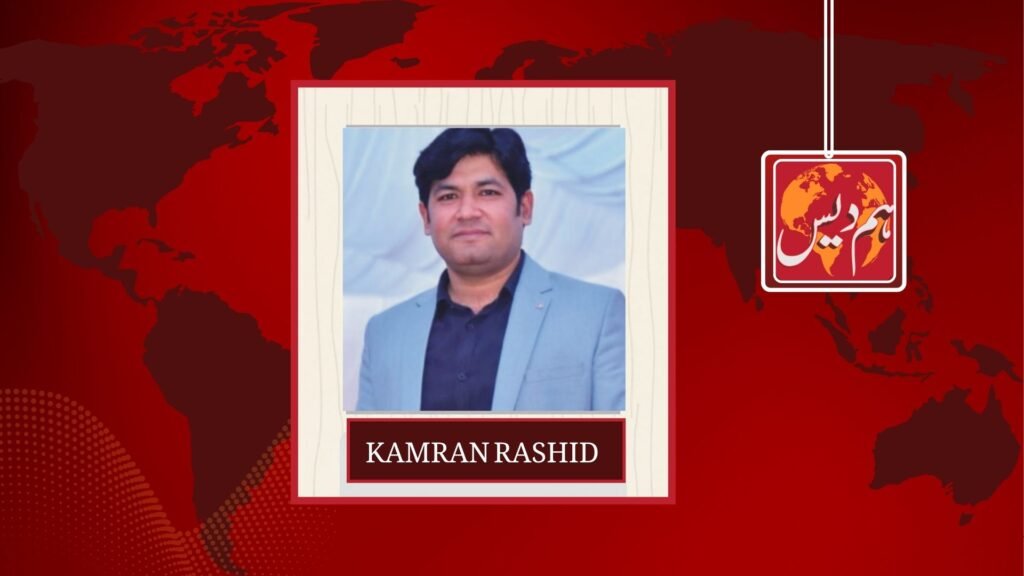
By Kamran Rashid
Pakistan is a country enriched by diverse cultures, traditions, and religious communities. Christians, Hindus, Sikhs, Ahmadis, and other minority groups form part of the country’s social fabric and contribute to its education, healthcare, agriculture, public service, and economic development. Yet, despite these contributions and constitutional guarantees, many religious minorities continue to face serious challenges in their daily lives.
The issue is not simply about religious identity. It concerns equal citizenship, personal security, access to justice, educational opportunities, and the fundamental right to live with dignity.
Constitutional Rights and the Reality on the Ground
Pakistan’s Constitution provides important protections for religious freedom. Article 20 guarantees citizens the right to profess, practise, and propagate their religion, subject to constitutional limitations. Article 22 provides safeguards concerning religious instruction in educational institutions. However, the gap between constitutional guarantees and their implementation remains a major concern.
The Human Rights Commission of Pakistan (HRCP), in its report Streets of Fear, published in 2025, documented continuing violations of religious freedom, attacks against minority communities, and concerns about the protection of places of worship. These findings underline the need for stronger enforcement of existing safeguards and greater accountability.
Fear, Violence, and the Misuse of Blasphemy Allegations
One of the most serious challenges is the threat of violence following allegations of blasphemy. Such accusations can have devastating consequences, particularly when rumours spread before the facts are established or legal proceedings take place.
The August 2023 attacks in Jaranwala, Faisalabad district, brought international attention to the vulnerability of Christian communities. Churches and homes were attacked after allegations of blasphemy circulated. The incident raised serious questions about preventive policing, the protection of vulnerable citizens, and accountability for those involved in mob violence.
In February 2025, HRCP reported that its review of the previous year’s events had documented mob attacks, concerns about arbitrary detention, and the vulnerability of minority women and girls. The commission also highlighted the role of misinformation on social media in fuelling religious tensions.
These incidents demonstrate why allegations must be investigated through lawful procedures rather than settled through threats, intimidation, or mob action. Every accused person deserves due process, and every citizen deserves protection from violence.
Discrimination and Economic Inequality
Religious minorities also face concerns about equal access to employment, career advancement, and economic opportunities. Some members of minority communities report discriminatory attitudes in workplaces and barriers to social mobility.
The problem is particularly concerning when poverty, limited educational access, and social prejudice reinforce one another. Families with fewer financial resources may find it harder to challenge unfair treatment, secure legal representation, or pursue better opportunities for their children.
Occupational stereotyping is another concern. Members of certain minority communities may be unfairly associated with low-paid or socially marginalised work, limiting recognition of their skills and professional achievements. Addressing such inequality requires transparent recruitment, fair wages, effective labour protections, and equal opportunities based on merit.
Education and the Struggle for Equal Opportunities
Education is essential to breaking cycles of poverty and discrimination. However, children from disadvantaged minority families may face financial hardship, unequal access to quality schools, and concerns about social acceptance.
Schools should be places where children learn respect, tolerance, and critical thinking. Religious differences must never become a reason for humiliation, exclusion, or unequal treatment.
The government should strengthen scholarship programmes, improve access to quality education in underserved communities, and ensure that educational institutions follow constitutional safeguards concerning religious instruction. Teachers and school administrators also have an important responsibility to challenge prejudice and encourage respectful relationships among students.
Women and Girls: An Additional Layer of Vulnerability
Women and girls from minority communities may experience overlapping forms of vulnerability linked to gender, poverty, and religious identity. Reports by human rights organisations have highlighted concerns about alleged forced conversions, abductions, and underage marriages involving Hindu and Christian girls.
These are serious allegations that require careful investigation, reliable documentation, and protection for those at risk. Authorities must ensure that consent is freely given, age is properly verified, and every case is handled according to the law. Victims and their families must have access to legal assistance and protection from intimidation.
Protecting women and girls is not merely a minority-rights issue; it is a matter of human dignity, child protection, and equal justice.
The Responsibility of the State and Society
Protecting religious minorities requires more than public statements of tolerance. It demands practical measures and measurable progress.
First, law enforcement agencies must respond promptly to threats against individuals, communities, and places of worship. Those responsible for violence should be investigated and prosecuted fairly, regardless of their influence or religious identity.
Second, allegations of blasphemy and other sensitive offences must be handled through lawful investigation and due process. Authorities must prevent false accusations, intimidation, and mob violence without compromising the rights of any individual.
Third, governments should strengthen independent monitoring, improve access to legal aid, and ensure that minority-rights protections are implemented effectively. Public authorities must also address discrimination in education, employment, and public services.
Fourth, religious leaders, journalists, teachers, and civil society organisations should promote responsible dialogue and reject hate speech. Social media platforms and news organisations must avoid amplifying unverified allegations that could put lives at risk.
Finally, minority communities should be included in policymaking and local decision-making. Their concerns must be heard directly rather than discussed without their participation.
Journalism’s Role in Protecting Human Dignity
The media has a crucial role in documenting discrimination and holding institutions accountable. However, responsible journalism requires more than reporting allegations or publishing shocking headlines.
Journalists must verify information, consult credible sources, distinguish allegations from established facts, protect vulnerable witnesses, and avoid language that inflames religious tensions. They should also highlight positive examples of interfaith cooperation and the contributions of minority citizens.
Human-interest reporting can bring attention to the lived experiences of affected families, while investigative journalism can examine whether authorities have fulfilled their legal responsibilities. Both approaches can help turn public awareness into meaningful reform.
Conclusion: Equality Must Become a Reality
Pakistan’s strength lies in the dignity, safety, and participation of all its citizens. Religious minorities should not have to live with fear, conceal their identities, or struggle for rights that the Constitution promises to protect.
A just society is not measured solely by its laws, but by how consistently those laws protect people who are vulnerable or marginalised. The government must ensure accountability, institutions must deliver justice, and society must reject prejudice and violence.
The way forward is clear: equal citizenship, religious freedom, fair opportunities, and the rule of law must apply to everyone. Protecting religious minorities is not a favour granted by the majority; it is a responsibility of the state and a test of the nation’s commitment to justice.
A Pakistan where every citizen can live without fear, practise their faith peacefully, and contribute equally to national progress is not merely an ideal. It is a goal that demands collective action.














Leave a Comment
Your email address will not be published. Required fields are marked with *