
Imran Masih
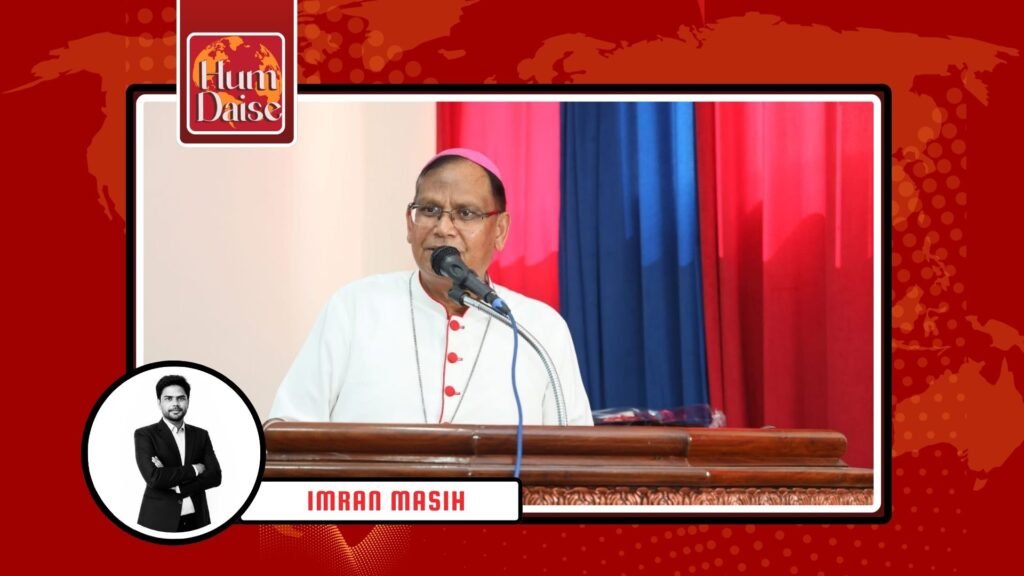
A Message of Peace, Tolerance and Brotherhood Among the personalities who have played a significant role in promoting interfaith harmony, religious dialogue and social peace in Pakistan, Bishop Joseph Arshad holds a special place. His efforts to foster religious and social harmony remind us that mutual respect, tolerance, dialogue and humanity are essential for building a peaceful society. Religion teaches people to choose love over hatred, reconciliation over confrontation, and unity over division. This is the fundamental message reflected in Bishop Joseph Arshad’s efforts to promote peace and understanding among different religious communities. Today, societies in Pakistan and around the world face numerous challenges arising from religious, social and cultural differences. In such circumstances, the responsibility of religious leaders becomes even more important. They must guide their communities towards peace, tolerance and mutual respect. Bishop Joseph Arshad’s efforts to promote interfaith harmony should be understood in this broader context, where building trust, strengthening relationships and promoting shared human values among people of different faiths are essential. Bishop Joseph Arshad and the Importance of Interfaith Dialogue Interfaith dialogue is not merely a formal meeting or conversation between religious leaders. It is a process through which people seek to understand one another’s beliefs, religious traditions, cultures and sentiments. Its primary purpose is not to eliminate differences but to encourage people to live together peacefully and respectfully despite their differences. In discussing Bishop Joseph Arshad’s services, it is important to highlight the role of continuous engagement, tolerance and practical cooperation in promoting religious harmony. When Christians, Muslims and members of other religious communities engage in positive dialogue, opportunities emerge to reduce misunderstandings and bridge social divides. Such interactions help create an atmosphere of trust and mutual understanding within society. Pakistan is a country where people belonging to different religious communities live with their own identities, traditions and beliefs. To transform this diversity into a national strength rather than a social weakness, every citizen must be treated with dignity and provided with protection and equal opportunities. Interfaith dialogue can make a meaningful contribution towards achieving this goal. Religious Harmony and National Unity Sustainable peace in any country cannot be achieved solely through the efforts of law enforcement agencies. It also requires the cooperation of every segment of society. Religious leaders, teachers, intellectuals, journalists, social workers and young people all have an important role to play in this process. Bishop Joseph Arshad’s message of religious harmony highlights the need to strengthen cooperation among Pakistan’s diverse religious communities. When religious leadership promotes love, tolerance and respect instead of hatred and prejudice, it can positively influence the wider social environment. National unity requires that differences in religious belief should never become a reason for discrimination, hostility or hatred against any citizen. Respect for religious sentiments, protection of places of worship, safeguarding minority rights and equality before the law are fundamental to building a Pakistan where every citizen feels safe, respected and valued. It is also essential that interfaith harmony should not remain limited to ceremonies, seminars and public statements. Its message must be translated into practical initiatives in educational institutions, social organisations, religious centres and local communities. This will help younger generations learn to accept differences and respect the rights of others. The Vatican Representative’s Visit to Pakistan and the Hope for Peace The Holy See, commonly known as the Vatican, and Pakistan established diplomatic relations in 1951. Against the backdrop of the 75th anniversary of these relations, the visit of Archbishop Paul Richard Gallagher, Secretary for Relations with States and International Organisations of the Holy See, to Pakistan from October 8 to 10 carries particular significance. According to Pakistan’s Foreign Office, Archbishop Paul Richard Gallagher is visiting Pakistan at the invitation of Deputy Prime Minister and Foreign Minister Ishaq Dar. During his visit, he will meet Prime Minister Shehbaz Sharif, Deputy Prime Minister and Foreign Minister Ishaq Dar, and other senior government officials. These meetings will include discussions on matters of mutual interest and ways to further strengthen diplomatic relations between Pakistan and the Holy See. Bishop Joseph Arshad has played an important role in fostering connections, mutual respect and dialogue among different religious communities. Efforts under his leadership to highlight the importance of peace, religious tolerance and shared human values have brought positive aspects of interfaith relations in Pakistan into focus. The visit of a senior Vatican representative also provides an opportunity to recognise the importance of religious leadership in strengthening social harmony and building trust among people of different faiths. This important milestone in diplomatic relations between Pakistan and the Holy See offers opportunities to further promote interfaith dialogue, enhance cooperation among religious communities and advance the shared message of peace and respect. Achieving these objectives requires sustained engagement not only at the diplomatic level but also among local religious leaders, social institutions and diverse communities. Such collective efforts can help build a society where religious diversity is respected and all citizens can live with peace, security and dignity. The Younger Generation and Religious Tolerance The education and guidance of young people are particularly important for achieving lasting peace in Pakistan. When young people learn to treat members of different religious communities with respect and cooperate with them in educational and social settings, they can help reduce prejudice and misunderstandings within society. In the context of Bishop Joseph Arshad’s services, it is important to promote the message that religious differences do not diminish the dignity or worth of any human being. Treating someone with hostility because of their religion, beliefs or identity is harmful to social harmony. Educational institutions should promote awareness of peace, tolerance, human rights and religious freedom. Young people from different religious communities should also be encouraged to participate in joint social projects, charitable activities and dialogue programmes. When young people work together to support those in need, promote education and find solutions to social problems, they build stronger relationships based on trust and cooperation. Continuing the Legacy of Peace and Harmony The most meaningful way to pay tribute to Bishop Joseph Arshad’s services for religious harmony, peace and interfaith dialogue is to make these values part of everyday life. The significance of any religious leader’s efforts becomes even more evident when society incorporates their message into its attitudes, decisions and collective activities. Religious leaders need to strengthen their relationships with one another, address differences respectfully and promote responsible dialogue in place of hateful speech. The media can also contribute by highlighting positive initiatives and encouraging an atmosphere of tolerance, understanding and brotherhood throughout society. For Pakistan’s progress and stability, every citizen must have equal opportunities to participate in national life. The protection of religious minorities, the safety of places of worship, the rule of law and social justice are fundamental principles without which genuine harmony remains incomplete. Bishop Joseph Arshad’s work in promoting religious harmony and interfaith dialogue reminds us that peace is not merely a slogan; it is an ongoing collective responsibility. This responsibility rests upon every religious leader, every citizen and every institution within society. Archbishop Paul Richard Gallagher’s visit to Pakistan further highlights the importance of dialogue, diplomatic cooperation and mutual respect in strengthening relationships among different religious communities. A Pakistan where Muslims, Christians and people of other faiths respect one another’s beliefs and live together peacefully, where differences are not treated as grounds for hostility, and where every citizen enjoys dignity and protection, should be a shared national aspiration. True recognition of Bishop Joseph Arshad’s services lies in carrying forward the values of peace, tolerance, love and humanity associated with his work. Individuals may eventually become part of history, but the positive ideas and human values they promote can continue to guide society for generations. This enduring message of peace, brotherhood and interfaith harmony can serve as a foundation for a brighter, more peaceful and united Pakistan.

















Leave a Comment
Your email address will not be published. Required fields are marked with *