
By Aneesa Kanwal
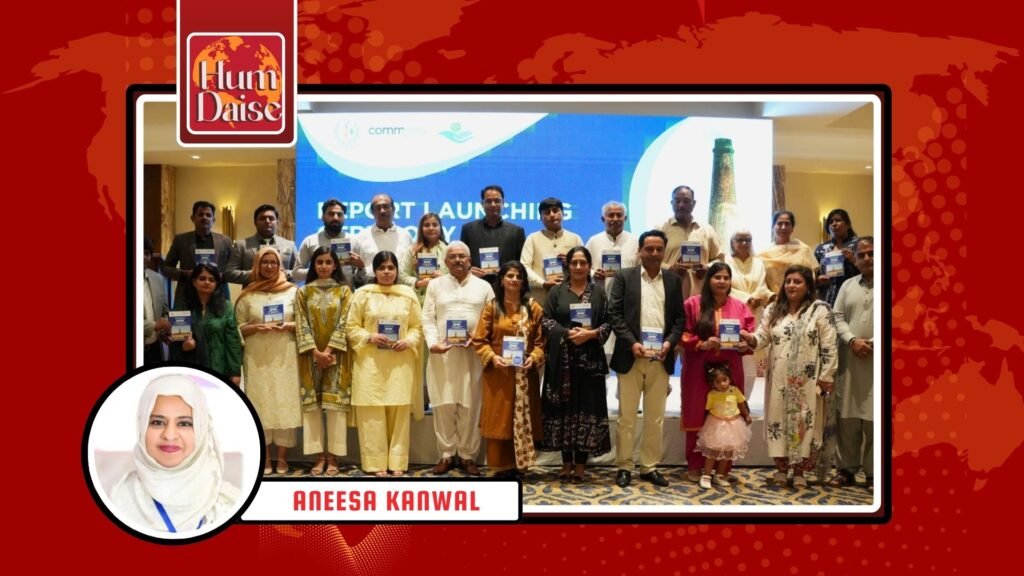
The National Commission on the Rights of the Child (NCRC), in collaboration with Community World Service Asia (CWSA) and National Lobbying Delegation (NLD) launched the “Situation Analysis of Brick Kiln Workers in Punjab and Sindh” today at a ceremony bringing together senior government officials, parliamentarians, human rights institutions, labour representatives, civil society, and other key stakeholders.
The study examines the situation of brick kiln workers through a child-centered, gender-sensitive and minority-inclusive lens, highlighting the multiple and interconnected vulnerabilities faced by workers and their families, including poverty, child labour, bonded labour, inadequate wages, limited access to social protection, gender inequality, caste-based discrimination, and barriers to education and essential services.
The launch ceremony was attended by Minister of State for Religious Affairs & Interfaith Harmony Mr. Kheal Das Kohistani; Deputy Speaker, Sindh Assembly Mr. Anthony Naveed; Special Assistant to the Chief Minister of Sindh for Human Rights Mr. Rajvir Singh Sodha; Special Assistant to the Chief Minister of Sindh for Minorities Affairs Dr. Sham Sunder Advani; Parliamentary Secretary, Human Rights and Minority Affairs, Punjab Ms. Sonia Ashir; Secretary, Human Rights and Minorities Affairs Department, Punjab Dr. Usman Ali Khan; Director General Labour Welfare, Punjab Ms. Syeda Kulsume Hai; Commissioner, Sindh Employees’ Social Security Institution Mr. Hadi Bakhsh Kalhoro; Director Punjab Employees’ Social Security Institution Mr. Malik Farrukh; Chairperson Child Protection and Welfare Bureau and MPA Ms. Sarah Ahmad; Chairman One-Man Commission Dr. Shoaib Suddle; Special Assistant to the Chief Minister’s Public Complaint Cell, Sindh Mr. Veer Ji Kohli; Director, Social Welfare and Bait-ul-Mal Punjab Mr. Muhammad Shahid Rana; NCHR representative Mr. Manzoor Masih; representatives of NCRC, NCSW, Pakistan Workers Federation and other stakeholders, along with CWSA representatives including Associate Regional Director Ms. Misbah Khalid.
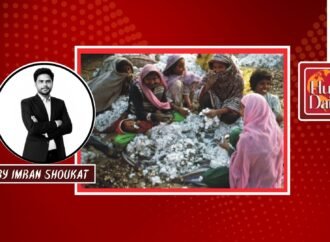
Chairperson, National Commission on the Rights of Child, Ms. Ayesha Raza, in her opening remarks highlighted the difficult realities faced by children and families working at brick kilns in Pakistan. She shared the example of a child, around four or five years old, sitting beside their mother and learning through working with clay, emphasizing how children become exposed to Labor and difficult working conditions from an early age.
While sharing the journey of CWSA’s work for the empowerment of the communities, Ms. Misbah Khalid, Associate Regional Director (ARD) shared that “ Marginalization cannot be addressed by one institution or organization. It requires lived experiences of communities, in-place systems by government institutions, evidence generation, and collaboration by civil society.
Anthony Naveed, Deputy Speaker, Sindh, addressed that Labor rights and the challenges faced by brick kiln workers require collective efforts involving workers, civil society, and government institutions. He noted that stakeholders are now at a stage where they can work together to develop and strengthen laws and policies that ensure humane treatment for all citizens.
Mr. Khail Das Kohistani, Minister of State for Religious Affairs & Interfaith Harmony, emphasized the importance of strong, effective laws to address the challenges faced by bonded Laborers. He stated that when appropriate laws are in place and properly implemented, systems can function smoothly; however, without effective legislation and implementation, it becomes difficult to achieve meaningful progress. He emphasized the need to listen to the concerns and experiences of workers and assured that their voices and concerns would be given due attention.
Addressing the gathering, Dr. Shoaib Suddle, Chairman of the One-Man Commission, emphasized that workers must be treated with dignity and that protecting children from labour and ensuring their access to education must remain a national priority.
Mr. Veer Ji Kohli, Special Assistant to the Chief Minister’s Public Complaint Cell, Sindh, highlighted the importance of collective responsibility and action, emphasizing that solutions would not come automatically and that stakeholders must take ownership of the challenges confronting brick kiln workers.
Mr. Prabhu Lal Satyani, Member representing Sindh and Minorities on the NCRC, pointed to the implementation gap, noting that the challenge is not merely the absence of laws but the lack of effective enforcement, institutional accountability and political will.
Mr. Asad Mehmood, General Secretary of the Pakistan Workers Federation (PWF), called for a shift from reports and commitments towards concrete implementation, accountability and measurable improvements in workers’ wages and working conditions.
Ms. Syeda Kulsume Hai, Director General Labour Welfare, Punjab, emphasized the importance of ensuring that workers have a meaningful voice in policies and decisions affecting their rights and livelihoods.
Similarly, Mr. M. Shahid Rana, Divisional Director, Social Welfare and Bait-ul-Mal Punjab, underscored that legislation alone cannot address the challenges faced by brick kiln workers. He highlighted the need for documentation, registration, effective monitoring and access to government protection mechanisms.
Mr. Rajvir Singh Sodha, Special Assistant to the Chief Minister of Sindh for Human Rights, stressed that sustainable change requires coordinated action among government, civil society, workers, employers and communities, particularly to raise awareness, support families and connect vulnerable households with essential services.
The Situation Analysis provides an evidence base to better understand the working and living conditions of brick kiln workers in Punjab and Sindh and to inform policy, legislation, institutional responses and targeted interventions.
Ms. Fiza Hussain- Program Coordinator, CWSA concluded the event with a strong call for greater coordination among government departments, human rights institutions, labour organizations, civil society, employers and affected communities to ensure that brick kiln workers are able to enjoy their fundamental rights and that children are protected from labour and given meaningful opportunities for education and a dignified future.
The organizers reaffirmed their commitment to advancing a child-centred, gender-sensitive and minority-inclusive approach to labour rights and social protection, while promoting stronger implementation, accountability and access to justice for brick kiln workers and their families.











Leave a Comment
Your email address will not be published. Required fields are marked with *